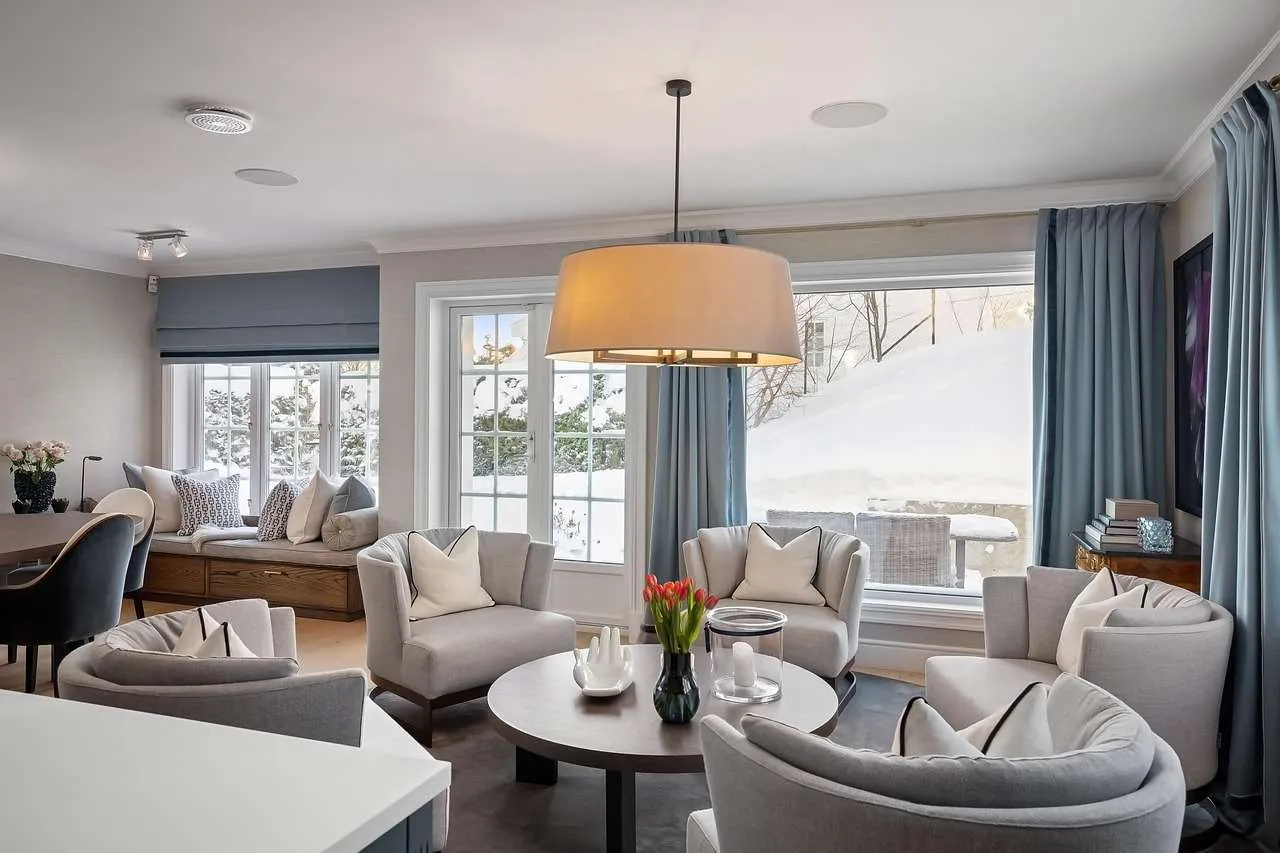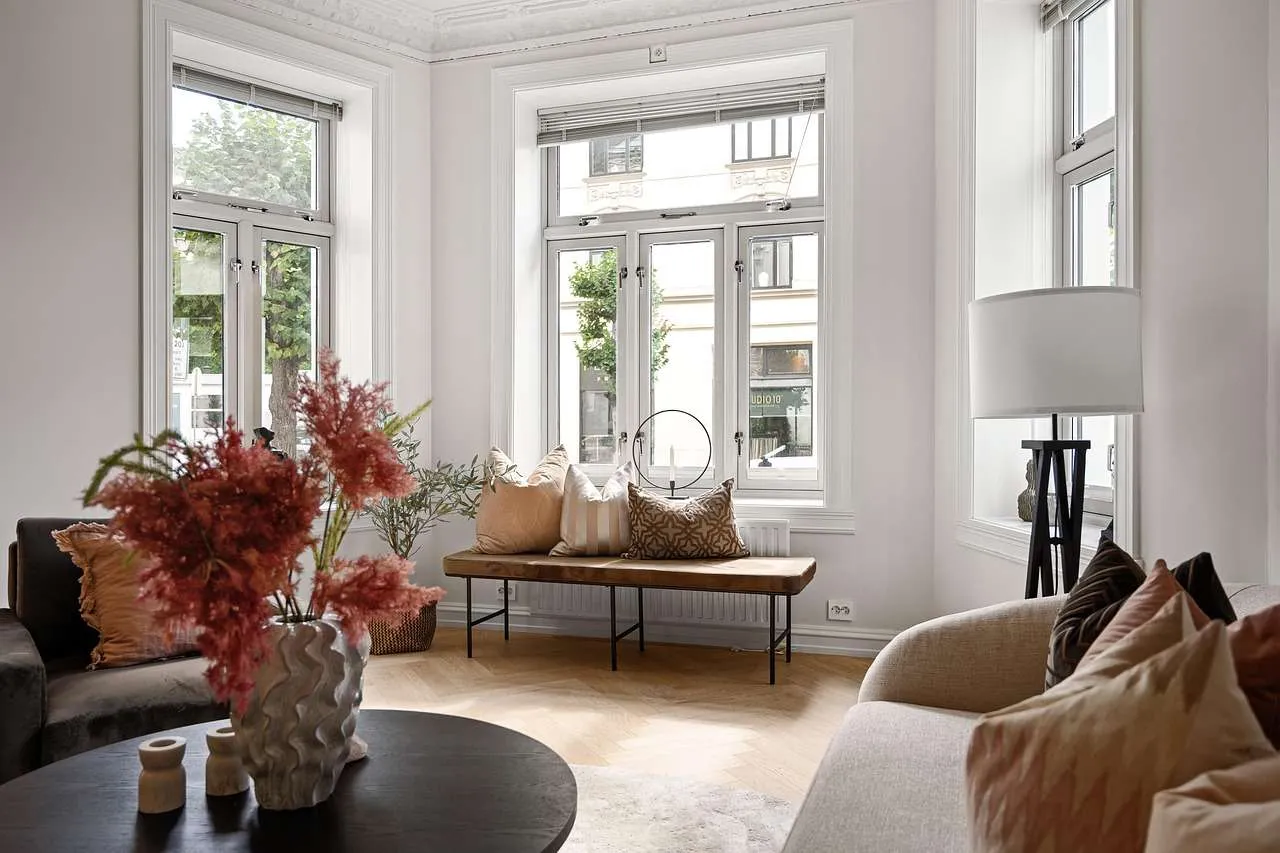
One of the quickest ways to boost comfort and energy efficiency in a home is to install window tinting. When you search for home window tinting near me, you are looking for trusted local specialists who can assess sun exposure, glass type, and climate to recommend the right film.
What is home window tinting and how it works
Window tinting uses a thin film applied to interior surfaces that reduces heat gain, blocks UV rays, and minimizes glare. Films come in several materials and builders often recommend specific types for residential use. The alignment of your windows, the orientation of rooms, and your local climate all affect performance and cost.
Benefits of tinting your home
- Energy savings: Lower cooling loads in hot months and improved comfort year-round.
- UV protection: Most films block up to 99 percent of harmful UV rays, protecting furnishings.
- Glare reduction: Improves TV viewing and computer work without blinds
- Privacy: Increases daytime privacy while maintaining exterior visibility.
- Safety and security: Some films hold shattered glass together during impacts.
Choosing a provider near you: home window tinting near me
Finding a local expert begins with a careful search and verification of credentials. Look for licensed contractors with liability insurance, proper certifications, and real customer reviews. Request on-site assessments and written quotes that include the film type, expected performance, warranty terms, and installation timeline. Ask to see before-and-after photos or a small sample on your own window to gauge appearance and reflectivity. A reputable installer will explain the differences between tint options and help you balance budget against performance.
Tint types and what you should know
Residential films range from budget dyed products to advanced ceramic and carbon-based options. The right choice depends on your climate, window type, and aesthetic preferences. The table below summarizes common residential tint types and typical considerations.
| Tint Type | Benefits | Considerations | Typical Cost (per sq ft) |
|---|---|---|---|
| Dyed | Low upfront cost and moderate heat blocking | Can fade over time; limited UV protection compared to other films | 3-6 |
| Metalized | Excellent heat rejection and durability | Can interfere with signals; may appear reflective | 4-8 |
| Carbon | Good heat rejection with low reflectivity | Higher upfront cost; no metal components | 5-8 |
| Ceramic | Superior UV/IR rejection; preserves interior visibility | Premium option | 6-12 |
Installation process and maintenance
Expect a professional to measure each pane, select the right film thickness, and prepare the surface with thorough cleaning. Installation typically takes a few hours per home, depending on window count and film type. After installation, allow the film to cure as advised by the installer, usually 24 to 72 hours. Clean with non-ammonia cleaners and soft cloths to avoid scratching the film. Warranty terms vary but most reputable companies offer a lifetime or multi-year warranty on the film against bubbling or peeling.
Cost considerations and budgeting
Budget for home window tinting depends on window size, glass type, and chosen film. Expect to pay more for larger windows, multi-pane units, or high-performance ceramic films. For typical single-family homes, installed cost often ranges from 5 to 12 per square foot, with a professional evaluation ensuring you maximize value through energy savings and interior comfort.
Conclusion, tailored local service, the right tint type, and a clear warranty are the keys to a successful project when you search for home window tinting near me. By choosing a licensed installer, verifying film performance, and understanding costs, you can enjoy enhanced comfort, UV protection, privacy, and long-term savings.